
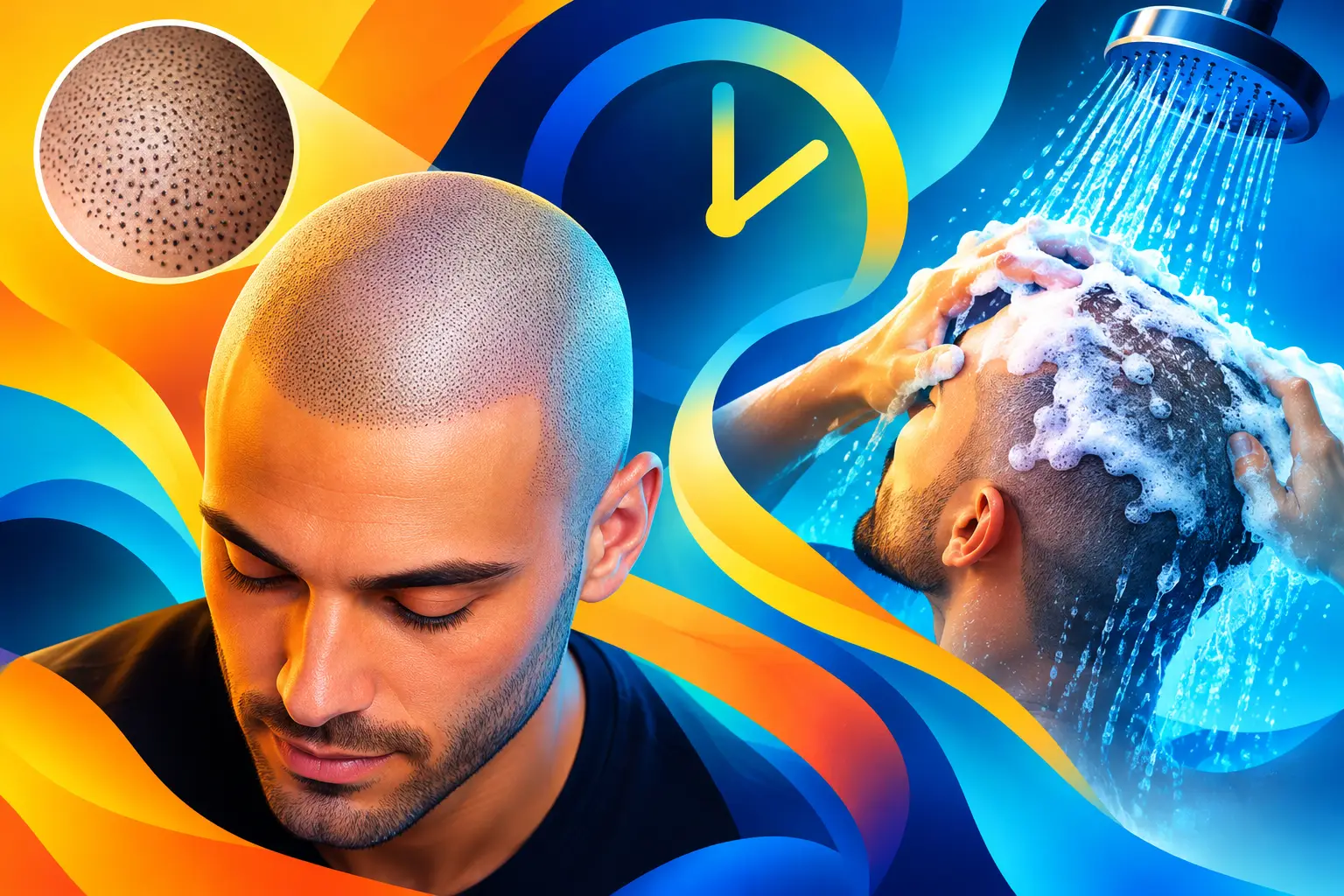
A fresh scalp micropigmentation treatment can look remarkably realistic, but the first few days are when patience matters most. Knowing when to wash scalp after SMP helps protect the pigment as the skin settles, reduces avoidable irritation, and gives your new hairline or density treatment the best chance of healing evenly.
The short answer is that most practitioners ask clients to avoid washing the scalp for around four days after each session. However, your artist’s aftercare instructions should always take priority. Healing speed, skin sensitivity, the intensity of the session, and whether you are treating a closely shaved scalp or longer hair can all affect the right plan.
Why washing too soon can affect SMP
SMP places tiny deposits of pigment into the upper layers of the scalp to recreate the look of closely cropped hair follicles or add the appearance of density between existing hairs. The skin needs time to close and stabilize after treatment. During this early period, shampoo, friction, hot water, sweat, and heavy product buildup can irritate the area.
Washing immediately does not usually “wash out” all pigment, but it can interfere with the healing process and may contribute to less even retention. Scrubbing is the bigger concern. Fingernails, textured washcloths, exfoliating products, and strong shampoo formulas can all place unnecessary stress on freshly treated skin.
This is why aftercare is more than a cosmetic detail. It is part of the treatment result. A carefully healed session is more likely to settle into the soft, natural appearance people want from scalp micropigmentation, sometimes called hair tattoos.
When can you wash scalp after SMP?
For many SMP clients, the typical guidance looks like this: keep the scalp dry for the first three to four days, then resume gentle washing on day four or five. Some practitioners may recommend waiting a full five days, particularly after a first session or if the scalp appears irritated. Others may allow a careful rinse sooner in specific circumstances.
There is no advantage in extending the dry period far beyond your specialist’s instruction if your scalp feels comfortable and is healing normally. The goal is not to avoid hygiene. It is to avoid unnecessary moisture, heat, and friction while the microscopic treatment sites recover.
If you have more than one SMP session planned, follow the same routine after each appointment. Later sessions can still create temporary redness and sensitivity, even when the scalp seemed to recover quickly after the first visit.
A practical first-week timeline
During the first 72 to 96 hours, avoid getting the treated area wet. That means no shampooing, swimming, steam rooms, saunas, or heavy exercise that causes significant sweating. A lukewarm body shower is generally fine if you can keep water off the scalp.
Once your approved wash day arrives, use lukewarm water and a mild shampoo. Let the water run gently over the scalp rather than directing high pressure at one spot. Apply shampoo with the pads of clean fingertips, not nails, and avoid circular scrubbing. Rinse thoroughly, then pat dry with a clean, soft towel. Do not rub.
For the following week, continue to wash gently and avoid medicated, clarifying, exfoliating, or heavily fragranced shampoos unless your practitioner specifically says they are suitable. If you shave your head, use a clean electric foil shaver only when you have been cleared to do so. Wet shaving with a blade commonly requires a longer wait because it can create friction and tiny cuts.
Choosing the right shampoo after SMP
A mild, non-abrasive shampoo is usually the safest choice once washing resumes. Look for a formula intended for sensitive skin, without harsh detergents or strong active ingredients. You do not need an expensive specialty product, but a gentle option can make a meaningful difference if your scalp tends to become dry, itchy, or reactive.
Avoid anti-dandruff shampoos containing strong medicated ingredients during the early healing window unless they are medically necessary and approved by your SMP practitioner or dermatologist. The same caution applies to scalp scrubs, acid-based exfoliants, alcohol-heavy tonics, and essential oil blends. Natural does not automatically mean gentle. Peppermint, tea tree, and citrus oils, for example, can sting irritated skin.
After the initial healing phase, you can often return to your usual routine. Still, people who use fading treatments, aggressive anti-dandruff products, or frequent chemical scalp treatments may need to adjust their habits over time. These choices do not always ruin SMP, but repeated irritation and exfoliation can make maintenance more likely.
Sweat, sun, and water: the other aftercare questions
Clients often focus on shampoo but forget that water exposure comes in several forms. Swimming pools, the sea, and hot tubs should be avoided for at least a week after treatment, and sometimes longer if your specialist recommends it. Chlorine, salt, bacteria, and prolonged soaking are not ideal for healing skin.
Exercise also deserves a short pause. Light activity may be possible after a few days, but intense workouts, hot yoga, running in high heat, and contact sports can lead to excessive sweat and friction. In Thailand’s humid climate, this may be especially relevant. Schedule sessions with your work, travel, and training routine in mind so you can give the scalp a calm recovery period.
Sun protection becomes particularly important after the scalp has healed. Direct, prolonged UV exposure can contribute to fading over time, whether you keep your head shaved or have longer hair. Once your practitioner confirms it is safe, wear a hat outdoors or use an appropriate non-irritating sunscreen on exposed scalp skin. Do not apply sunscreen to a fresh treatment unless you have been told to do so.
What if your scalp feels itchy or flaky?
Mild tightness, dryness, or light flaking can occur as the skin heals. The key is not to pick, scratch, or peel the area. Picking can create uneven healing and raises the risk of infection. If itching is distracting, contact your practitioner for advice before adding a moisturizer, soothing gel, or scalp product.
Redness that steadily worsens, unusual warmth, increasing swelling, pus, severe pain, or fever are not routine aftercare symptoms. Seek prompt medical advice if these occur. SMP is minimally invasive, but it is still a procedure involving the skin, and safety should never be treated casually.
People with eczema, psoriasis, seborrheic dermatitis, or a history of allergic skin reactions should discuss their condition before treatment. These conditions do not automatically rule out scalp micropigmentation, but they can change timing, product choices, and the need for dermatologist input.
Long-term washing and maintenance
Once healed, scalp micropigmentation should fit into a normal hygiene routine. You can wash regularly, shower, exercise, and live without treating your scalp as fragile. The lasting appearance depends more on sun exposure, skin type, pigment selection, and the quality of the original work than on ordinary gentle shampooing.
Maintenance sessions are normal for many clients over the years, especially if they spend substantial time in the sun or prefer a very crisp, high-contrast shaved look. A thoughtful provider will discuss this before treatment, alongside alternatives such as hair transplantation, medication, or a combined approach for thinning hair.
Your aftercare plan should feel clear rather than restrictive. Give the scalp its short period of quiet healing, wash gently when you are cleared, and ask questions early if something does not look or feel right. That small amount of care can help your SMP settle naturally and support the confidence you chose it for.
ใส่ความเห็น